
NGOs & HUMANITARIAN OPERATIONS
OPERATING WHERE INFRASTRUCTURE CAN'T BE TRUSTED
Humanitarian and NGO teams often work in environments affected by conflict, displacement, natural disasters, or extreme remoteness. In these contexts, communication isn’t a convenience - it’s critical to safety, coordination, and impact.
KEY RISKS

01
Unreliable or non-existent connectivity
Crisis zones and underserved regions frequently lack stable telecom infrastructure, making it difficult for teams to coordinate operations, share information, or respond quickly to changing conditions.

02
Security threats to people and information
Field staff face risks ranging from surveillance and interference to data interception, particularly when working in politically sensitive or unstable regions.

03
Operational breakdown during critical moments
Without resilient communication systems, humanitarian efforts can stall during elections, emergency responses, or large-scale aid distribution - when clarity and speed matter most.
RESILIENT COMMUNICATION IM CHALLENGING ENVIRONMENTS
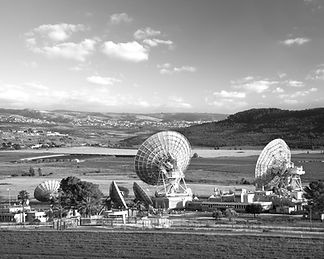
Cusp designs and deploys secure communication networks using satellite (VSAT), microwave, radio, and fibre technologies - ensuring teams stay connected even when local infrastructure fails.

SECURE, MISSION-READY SYSTEMS
Encrypted voice, data transmission, and counter-surveillance solutions protect sensitive information and safeguard personnel operating in high-risk regions.

END-TO-END DEPLOYMENT AND SUPPORT
From planning and installation to ongoing technical support, Cusp manages complex ICT projects on the ground, allowing humanitarian organisations to focus on their core mission.
HOW WE SUPPORT NGOs & HUMANITARIAN TEAMS
RELEVANT CASE STUDY
AU / UN Information Support Team
Location: Somalia
In Somalia, Cusp supported the African Union and United Nations Information Support Team by delivering robust ICT infrastructure across multiple regions. This included VSAT connectivity, microwave links, fibre networks, and radio systems in areas with limited or damaged infrastructure.
The deployment enabled reliable communication for peacekeeping operations and played a key role in supporting election processes by ensuring media access and information flow during critical periods. Despite operating in a high-risk and logistically complex environment, Cusp’s solutions helped maintain continuity, transparency, and coordination on the ground.

WHY IT MATTERS
For NGOs and humanitarian organisations, communication failure can directly impact lives. Cusp’s role is to remove technical uncertainty from the equation - providing dependable, secure connectivity so teams can operate effectively, safely, and with confidence, even in the world’s most demanding environments.